Description
For two millennia, Christianity has shaped the lives of billions and altered the course of human history. Its influence on art, law, ethics, and civilization is undeniable. Yet for all its global reach and enduring power, this entire movement rests on a single foundation: the Bible.
Like a skyscraper built upon bedrock, Christianity stands or falls with the reliability of Scripture. If the Bible cannot be trusted—if it’s merely a collection of ancient myths and legends—then the faith built upon it crumbles. But if the Bible proves to be an accurate historical record, then Christianity’s foundation is far more solid than many realize.
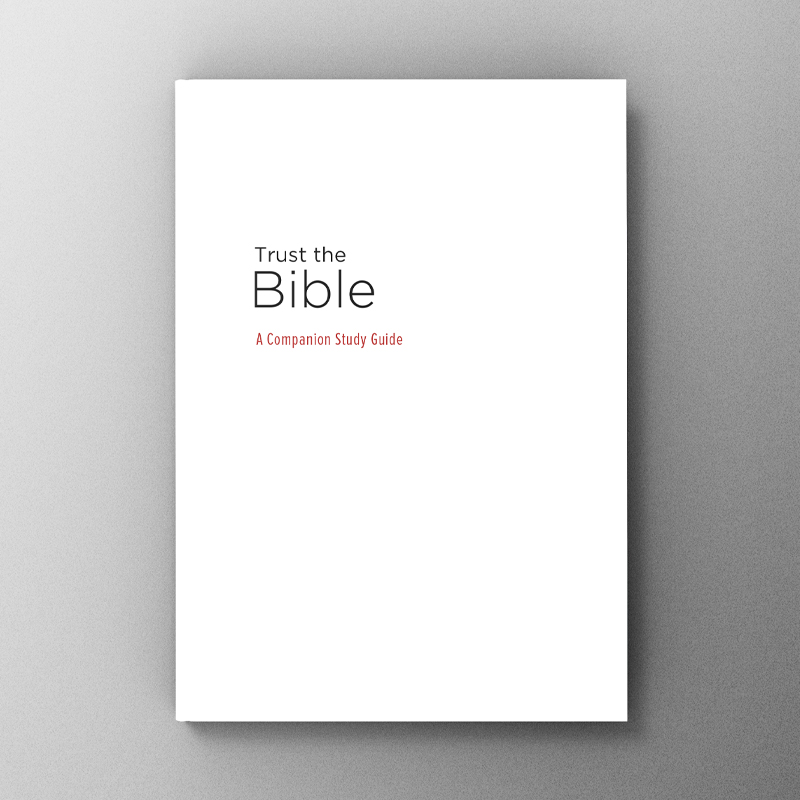
This book will guide you through evidence for the Bible’s accuracy and reliability—not from a theological perspective, but through historical and logical analysis. We’ll build a case, layer by layer, to answer Christianity’s central question: Can we trust the Bible?
Lesson One establishes why the Bible’s reliability matters in the first place. Lesson Two examines how the Bible was translated across languages and centuries. Lesson Three investigates the thousands of ancient manuscripts and what they reveal about textual accuracy. Lesson Four addresses which books belong in the Bible and how the canon was determined. Lesson Five evaluates the credibility of the biblical authors themselves. Lesson Six tackles the question of miracles and their relationship to biblical truth. Finally, we’ll explore how Jesus himself viewed Scripture and what that means for our confidence in it.
Follow this journey and discover whether the evidence strengthens your trust in the Bible.
Note: This book was written and produced by the creative writing team at Northeast Houston Baptist Church. Jacob Abshire was granted permission by Crossway to publish online for free as a companion study guide to Greg Gilbert’s Why Trust the Bible?