
One of the easiest mistakes a church planter can make is building a team of people just like himself. It doesn’t happen on purpose. We naturally enjoy being around people who think like we think. They solve problems they way we solve problems. They get excited about the things that excite us. Meetings move faster. Decisions come easier. Conflict feels minimal.
Then reality shows up.
Every strength on a team eventually becomes a weakness when it is over represented. Visionaries forget details. Organizers resist change. Caregivers avoid difficult conversations. Teachers can over analyze. Evangelists may unintentionally leave people behind.
God never intended one type of person to build His church. Paul understood this long before personality profiles and leadership assessments existed.
“Now there are varieties of gifts, but the same Spirit… To each is given the manifestation of the Spirit for the common good.”
1 Corinthians 12:4, 7
This is worth repeating … Different gifts. Same Spirit. Common good.
Diversity is not a problem to overcome. It is God’s design to embrace. When God starts assembling your launch team, don’t immediately ask, “Who can help me accomplish my vision?” Instead ask, “What gifts is Christ giving this church?” These two questions are diametrically different. One begins with you. The other begins with Christ.
The team God wants is rarely the team you’d choose.
Then, Paul takes it further. He describes the church as a body. Nobody has ever looked at a hand and thought, “You know what would make this body better? Five more hands.” Every part serves a different purpose because every part is necessary.
That sounds obvious until we start recruiting people. Sometimes we unintentionally value platform gifts more than quiet gifts. We notice the teacher before the administrator. The musician before the encourager. The communicator before the servant.
But Paul refused to let us rank gifts that Christ Himself distributed. Every gift matters because every gift strengthens someone else. That’s another shift many leaders need to make.
Spiritual gifts are not primarily about personal fulfillment. They exist for the good of other people. The person gifted with encouragement may never stand behind a pulpit, but they may keep the weary church planter from quitting. The servant who quietly sets up chairs every week may be creating the environment where someone hears the gospel for the first time. The administrator who loves spreadsheets may free pastors to shepherd people.
None of those gifts are secondary. They’re essential.
Healthy teams stop asking, “Whose gift is most important?” And start asking, “How do these gifts work together?” That’s where unity begins. Not uniformity.
Unity.
One of my favorite moments in building a team is watching people realize they no longer have to be good at everything. It is freeing. It allows leaders to celebrate someone else’s strengths instead of feeling threatened by them. It teaches humility. It builds trust. It creates gratitude.
Most importantly, it reminds us that Jesus never intended one person to carry His church. He designed a body. And healthy bodies depend on every part doing what Christ created it to do.
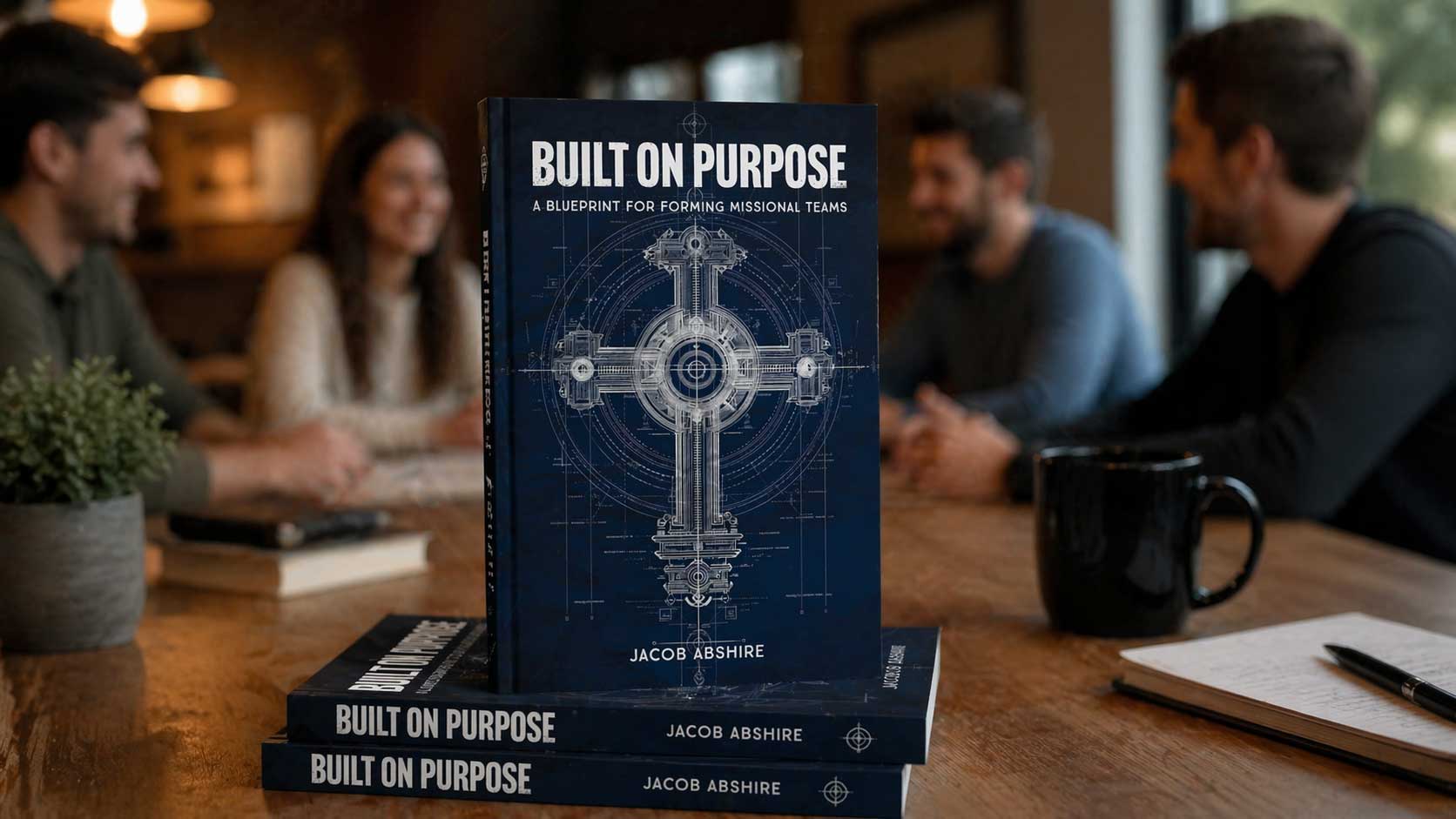
Do you know how God has shaped you and your team for His mission?
Download this workbook to guide your team through twelve exercises that will bring unity, clarity, and vision to your mission work.