
I love making plans. Maybe it’s because I’m wired that way. Maybe it’s because church planting demands it. Either way, I enjoy thinking ahead. Give me a whiteboard, a map, a notebook, and enough coffee, and I’m a happy dude. I like asking questions, anticipating problems, and building a plan that gives a team confidence about where we’re headed.
Planning is a good thing. The book of Proverbs certainly thinks so (Prov. 21:5; 6:6-8). But I’ve also learned something that’s both humbling and freeing. No amount of planning can accomplish what only the Holy Spirit can do.
Jesus understood that better than anyone. Just before His ascension, the disciples were standing on the edge of the greatest mission in history. Within days they would begin proclaiming the gospel that would eventually spread throughout the Roman Empire and beyond. If there were ever a moment for Jesus to hand them a detailed ministry strategy, this was it. Instead, He gave them a promise.
“You will receive power when the Holy Spirit has come upon you, and you will be my witnesses…”
Acts 1:8
Notice what Jesus didn’t say. He didn’t promise that every conversation would go well. He didn’t promise quick success, financial provision, or favorable circumstances. In fact, many of these men would suffer greatly for following Him.
What He promised was His power. Not power for personal significance. Not power for impressive ministry. Power to be faithful witnesses. I think that’s an important distinction.
No amount of planning can accomplish what only the Holy Spirit can do.
Sometimes we speak about the Holy Spirit almost exclusively in terms of extraordinary experiences. Acts certainly records remarkable moments, but those moments always served a larger purpose. The Spirit empowered ordinary believers to make Christ known.
That’s still His work today.
The longer I’ve been involved in ministry, the more convinced I’ve become that the greatest evidence of the Spirit’s work isn’t found in spectacular moments. It’s found in ordinary obedience that could never be explained apart from God’s help. It’s the conversation you almost avoided but suddenly found courage to have. It’s wisdom that arrives at exactly the right moment. It’s endurance when everything in you wants to quit. It’s loving difficult people when your natural instinct is to walk away. It’s remaining faithful when nobody else notices. Church planter, those moments happen far more often than we realize.
One of the reasons I ended Built on Purpose with this subject is because I don’t want leaders finishing the workbook thinking the goal is simply better self-awareness or healthier team dynamics. Those things matter. But they aren’t enough. You can understand your calling, know your community, recognize your gifts, and build an excellent team while still attempting to carry God’s mission in your own strength.
The book intentionally ends by reminding us that none of this ultimately depends on us. It depends on God. That realization is both humbling and incredibly freeing. The pressure to build Christ’s church has never rested on your shoulders. It rests on His. Our responsibility is to faithfully proclaim Christ, love people well, make disciples, and trust that the Holy Spirit is already at work long before we arrive (Eph. 2:10).
Perhaps that’s why Acts is such an encouraging book for church planters. Again and again, we watch ordinary people step into situations far beyond their natural ability. They don’t always know what comes next. They don’t have unlimited resources or polished strategies. What they do have is the Spirit of God.
And somehow, that proves to be enough. It still is.
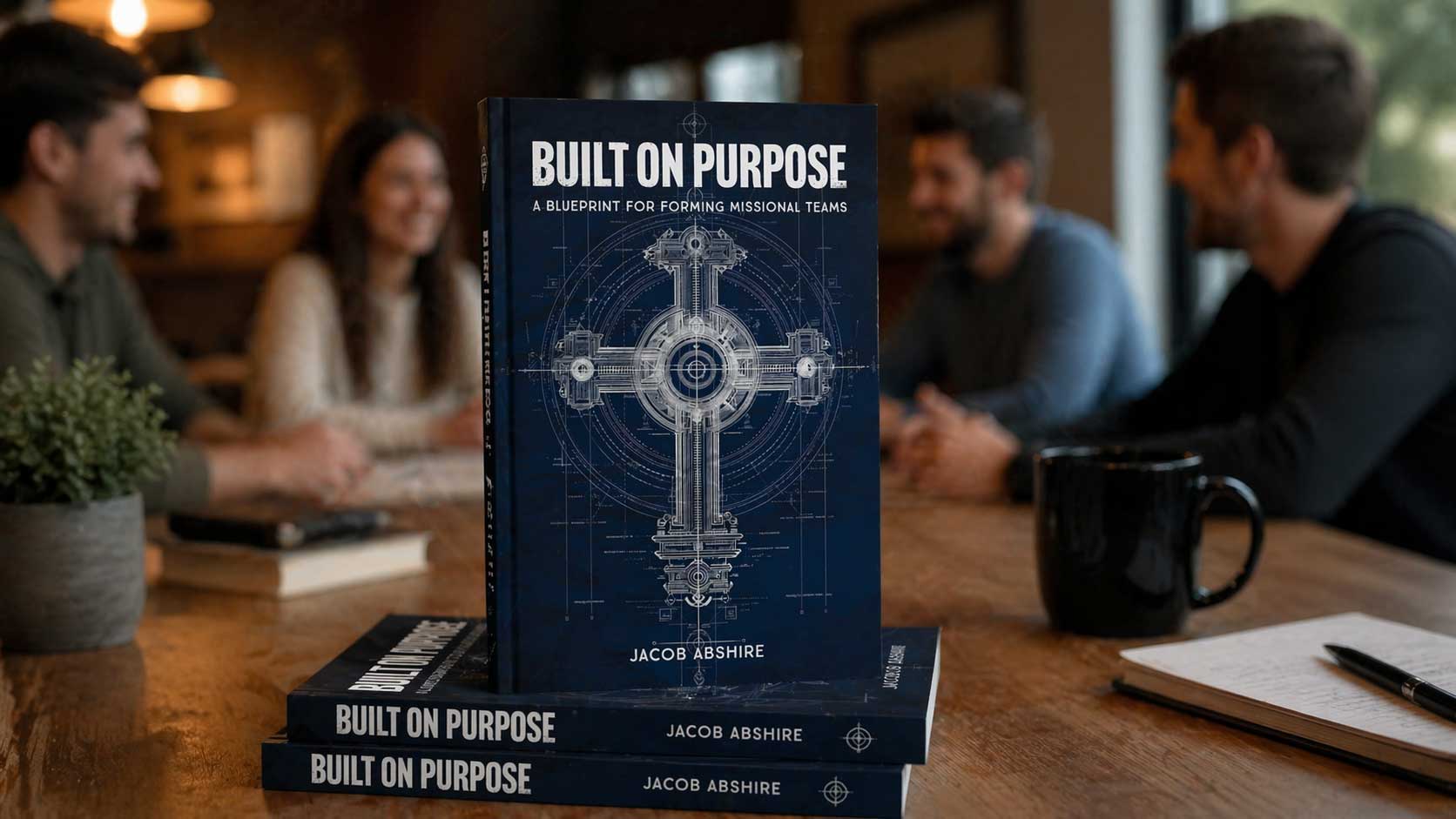
Do you know how God has shaped you and your team for His mission?
Download this workbook to guide your team through twelve exercises that will bring unity, clarity, and vision to your mission work.