
Keep me honest. Most Christians have attended church for years without ever being personally discipled. They’ve heard sermons. Attended Bible studies. Served on ministry teams. Consumed Christian content online. But they’ve never truly experienced someone intentionally investing in their spiritual growth through an ongoing relationship.
Actually, keep Lifeway Research honest. They published the State of Discipleship earlier this month, concluding that discipleship is widely affirmed but inconsistently defined, unevenly practiced, and rarely measured within the local church. Since disciple-making is the primary purpose of the church (Matt. 28:19), that should unsettle us.
One of the biggest traps for church planters is assuming people already understand discipleship because they have church experience. But church attendance and discipleship are not the same thing. Information transfer and spiritual formation are not identical either.
The apostle Paul described it as entrusting to others, “What you have heard from me in the presence of many witnesses entrust to faithful men, who will be able to teach others also” (2 Tim. 2:2). Later in the same letter, he expanded the word “heard” to “follow” in identified a gamut of life experiences:
You, however, have followed my teaching, my conduct, my aim in life, my faith, my patience, my love, my steadfastness, my persecutions and sufferings that happened to me at Antioch, at Iconium, and at Lystra—which persecutions I endured; yet from them all the Lord rescued me.
2 Timothy 3:10-11
Discipleship, in Paul’s mind, was passing on your life to someone else—the good, the bad, and the ugly. It is something different than preaching to crowds and something more than distributing information. It is a relational investment designed to multiply over time. And, it must be done through the slow burn of God’s grace.
“You then, my child, be strengthened by the grace that is in Christ Jesus.”
2 Timothy 2:1
Discipleship is rooted in Christ. Healthy discipleship, done intentionally and relationally, deepens the disciple in the grace of Jesus before it strengthens their competency for ministry.
Hear me out.
It is possible to build ministry teams full of capable people who are spiritually shallow because nobody slowed down long enough to actually disciple them. This, unfortunately, creates a fragile ministry culture. People burn out quickly. Conflict becomes harder. Insecurity increases. Performance replaces grace. Ministry becomes transactional.
Information alone cannot produce maturity.
Paul didn’t lecture Timothy. He shared life with him. Timothy watched Paul suffer, persevere, teach, pray, endure hardship, and remain faithful. Discipleship is a transfer of life to life.
That kind of investment takes time.
And modern ministry culture often struggles with that. We love scalable systems, rapid growth, polished environments, and efficient structures. But discipleship is slower, messier, and far more relational than we would prefer. It requires leaders to slow down before they speed up and to shape people inwardly before expanding ministry outward.
It is possible to build ministry teams full of capable people who are spiritually shallow.
This is part of what drove me to write Built on Purpose, a workbook for church planters and ministry leaders focused on forming missional teams through theological reflection, self-awareness, and shared mission. Healthy teams rarely happen accidentally. They are formed, and that formation starts with discipleship.
Discipleship is how healthy teams are built. It creates culture before culture becomes visible. The way people handle conflict, responsibility, pressure, humility, communication, correction, and mission is often downstream from how they were discipled … or how they were not discipled.
That means every church planter eventually has to wrestle with two questions: What kind of discipleship formed the people on my team? And what kind of discipleship culture are we creating now? Because every team is already reproducing something.
Paul’s vision in 2 Timothy was multiplication. Healthy disciples eventually help form other healthy disciples. That is how the church grows stronger over time. Not through content alone. Not through charisma alone. Not through systems alone. But through faithful people intentionally investing in other faithful people by the grace of Christ.
Slow growth beats fast ministry.
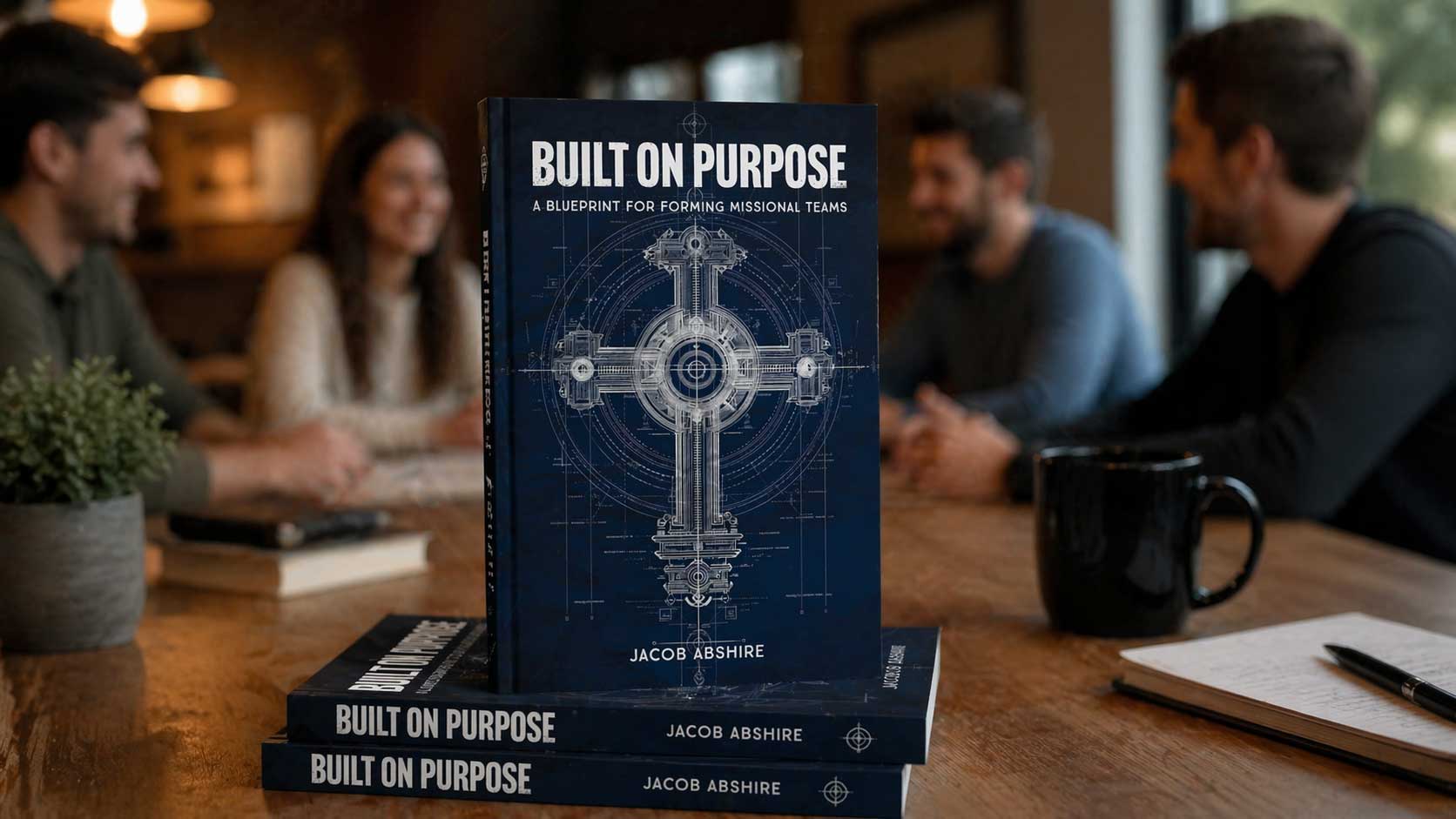
Do you know how God has shaped you and your team for His mission?
Download this workbook to guide your team through twelve exercises that will bring unity, clarity, and vision to your mission work.